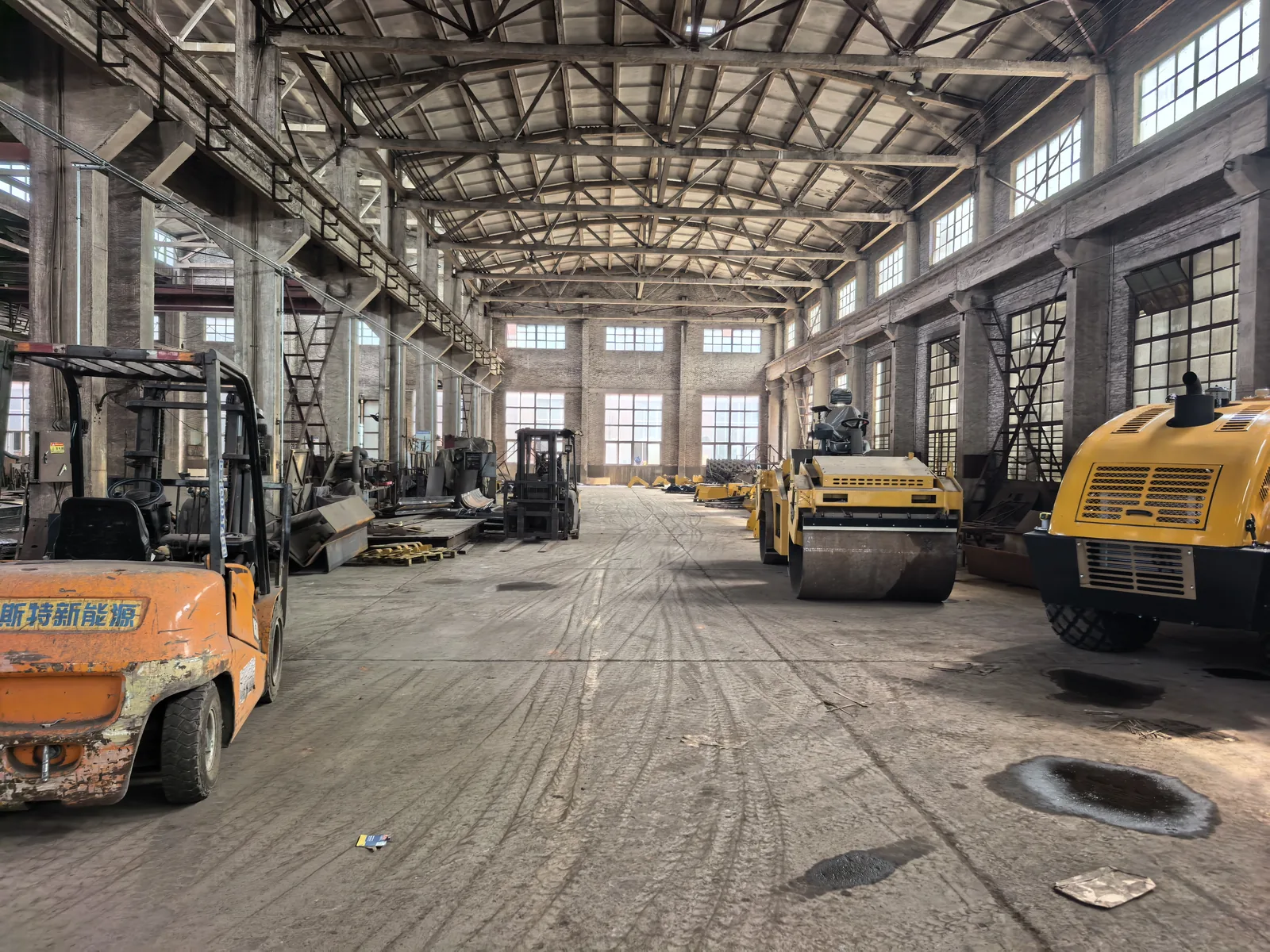
A road roller can leave our yard in much the same condition it arrived in, with its existing paint and signs of use still visible. Another roller can spend time in the workshop being stripped down, inspected and rebuilt before it ships. Both started out as used machines. The difference is how much work goes into the machine before delivery, and what you can ask to see before you buy.
Used construction equipment in original condition
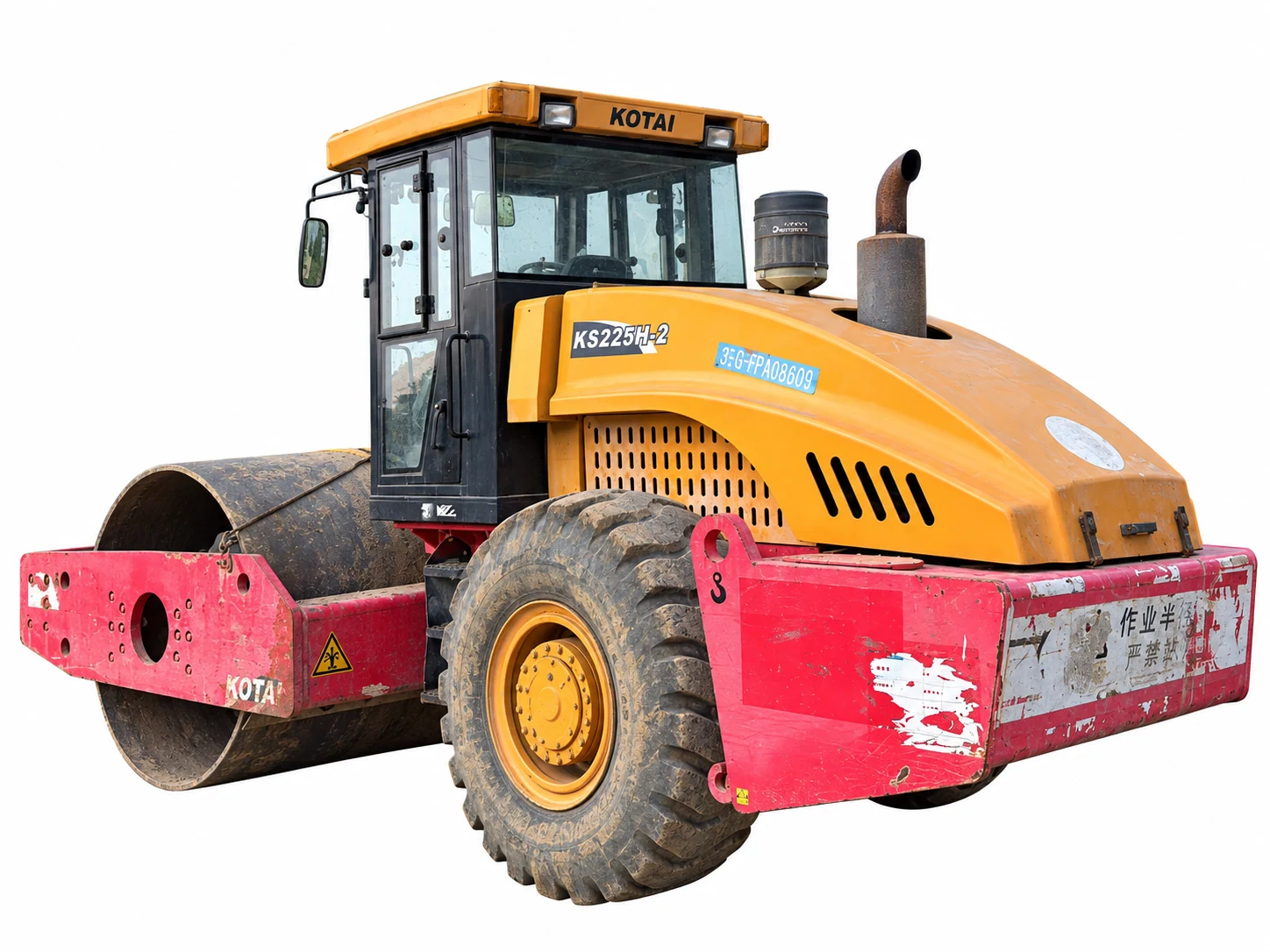
At LITRAC, original-condition export means we supply the machine largely in its existing condition. Its paint, cab and working parts may show wear from previous jobs. The machine can be checked and prepared for shipping without going through a full teardown or repaint. The exact condition varies from one unit to the next.
When you are comparing used road rollers, ask for current photos of the drum and operator platform, a cold-start video and a demonstration of travel and vibration. On a used motor grader, pay attention to blade movement, play around the circle and articulation joint, and visible hydraulic leaks. Those details are more useful than judging a machine from a single walk-around photo.
What goes into full-machine remanufacturing?
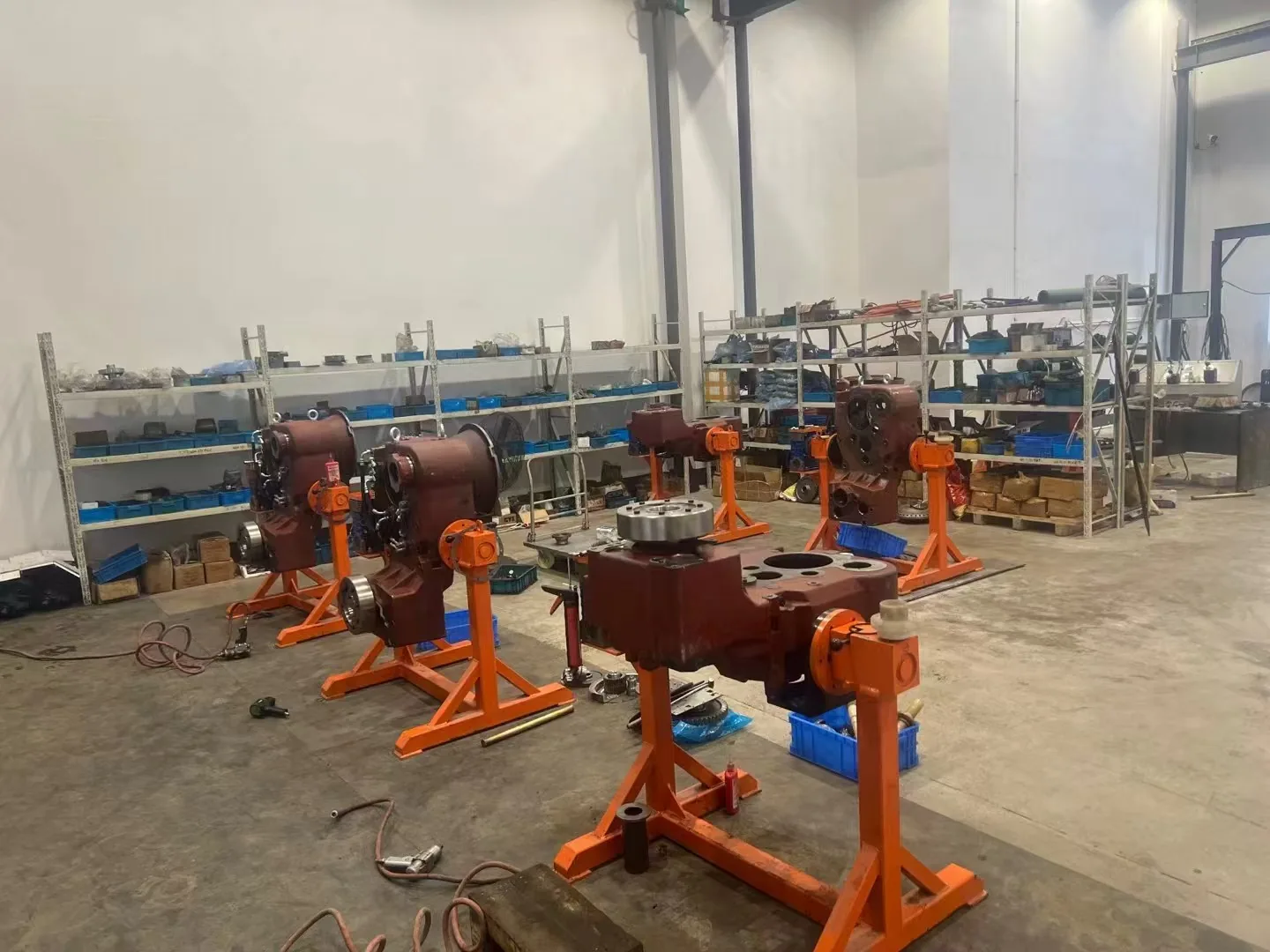
We start with an existing machine and take it apart. The team removes assemblies from the machine and strips them down so the individual parts can be cleaned and inspected. Parts that pass inspection can go back into the rebuild. Worn or damaged parts that need replacing are changed before reassembly. That is where much of the work happens, well before the first coat of paint.
Inspect and renew the parts inside
The inspection covers the whole machine, including the engine, drivetrain, hydraulics, electrical system, controls and working equipment. What gets replaced depends on what the team finds after teardown. A seal, bearing, hose or pin may need replacing even when the housing around it is sound. If you are buying a rebuilt unit, ask which assemblies were opened and which parts were replaced.
Prepare and repaint the major components
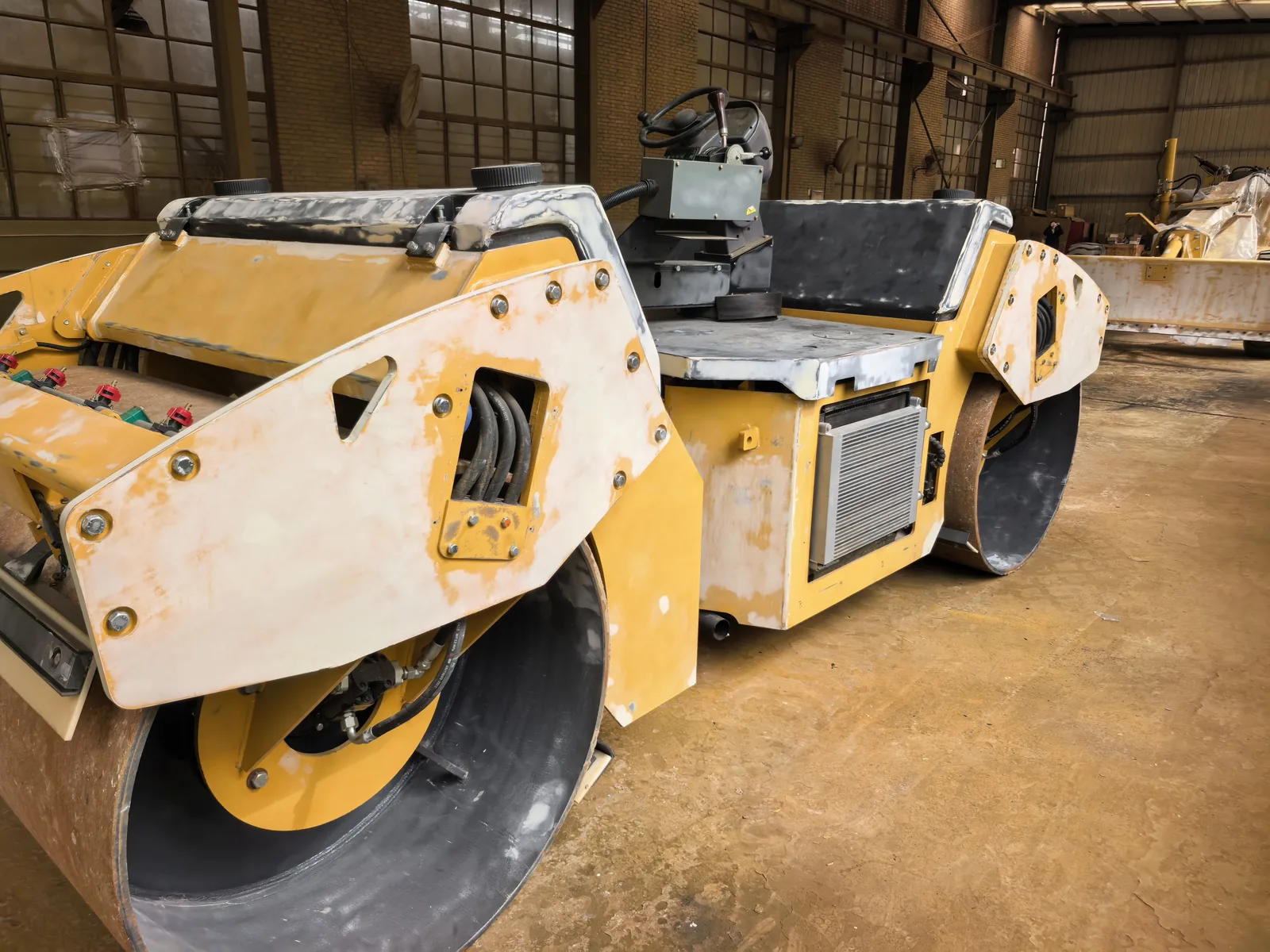
Major housings, body panels and other exterior parts are cleaned and prepared before they are spray-painted. On the roller below, you can see the sanded surfaces around the drum and along the operator platform. On the grader, sections are masked off before painting. These photos show the work in progress.


Reassemble and check how the machine works
Once the machine is back together, the goal is a near-new exterior finish and operating performance close to that of a new machine of the same model. That performance should be judged by the checks on the actual unit. For a roller, ask to see it start, steer, travel and run the vibration system. For a grader, ask to see the blade lift, angle and shift, and watch how the machine travels and articulates. Where measurements or test records are available, compare them with the agreed acceptance criteria for that machine.
Which option should you buy?
An original-condition machine can make sense if the unit already works well for your job and you want to keep the purchase cost down. A full rebuild is worth pricing when you want the internals inspected and renewed before shipping, alongside a near-new finish. Allow time for the workshop to strip, rebuild and check the machine. Compare the quotes with the work included and the delivery date in view.
If you only need to replace one assembly on a machine you already own, see our remanufactured diesel engines. For a complete machine, tell LITRAC what you need. Send the machine type or model, intended job and destination port, and let us know whether you want original condition or a full rebuild. We can discuss available units, the scope of work and the inspection material you want to review before shipment.