Buying a used motor grader for gravel roads, haul-road maintenance or site preparation? The Cat 140 GC and the China-built Changlin 718-5 can both do that work. They sit close enough in power and blade size to make a useful comparison. The Cat is heavier in the reference configuration below, while the Changlin has a wider blade than the standard Cat moldboard. For a used machine, the repair bill after delivery can matter more than either number.
Cat 140 GC vs Changlin 718-5 specifications
These are manufacturer reference figures for the Cat regional configuration and the Changlin Cummins export configuration. Confirm the engine and attachments on the specific machine before ordering.
Specification
Cat 140 GC
Changlin 718-5
Diesel engine
Cat C7.1
Dongfeng Cummins 6BTA5.9-C180
Displacement
7.01 L
5.9 L
Published power
131–147 kW net (176–196 hp per Cat), depending on gear, at 2,200 rpm
What the engine and blade differences mean on site
Caterpillar lists 131 kW in first gear, 139 kW in second and 147 kW from third through sixth. Changlin publishes a single 128 kW rated figure for the Cummins export engine. The manufacturers report power on different bases, so those figures alone cannot predict how much material either machine will move in a low-gear pass. If the job involves hard-packed gravel or running the blade deep, ask to see the grader working under load after the transmission warms up.
The Changlin’s reference blade is about 31 cm wider than the standard Cat blade. That extra length can help on open stretches of road, but blade angle changes the width you actually cover in a pass. For narrow roads and shoulders, look at how easily the operator can position the blade and keep a consistent cut. Play in the circle or blade slides matters when you’re trying to finish to grade.
The Changlin shown here is a domestic-market machine. Its installed engine has yet to be identified, so ask for a clear engine plate photo before pricing engine parts or assuming it has the export-spec Cummins. Ask for the Cat’s engine and machine plates as well, especially if your destination has emissions requirements.
Which used motor grader is better value?
The Changlin 718-5 is worth pricing first if your work is mostly periodic gravel-road grading and the delivered quote leaves room for tyres, cutting edges and repairs. Before committing, give the engine and transmission plate numbers to your local parts supplier. Ask what they stock and how long the rest would take to arrive.
The Cat 140 GC can be worth a higher quote for a grader that will work most days, especially where you already have access to Cat parts and service. Put a figure on the cost of losing a day on the job. If local support can get the machine back to work sooner, include that in the comparison.
Ask for both quotes on the same delivery terms and to the same port. Add freight, applicable duties and local charges, then price any work needed before the machine can start earning. Check tyre condition, blade-circle play, hydraulic drift, and forward and reverse shifts when warm. A grader that needs tyres and circle work on arrival can eat up the initial price difference quickly.
A road roller can leave our yard in much the same condition it arrived in, with its existing paint and signs of use still visible. Another roller can spend time in the workshop being stripped down, inspected and rebuilt before it ships. Both started out as used machines. The difference is how much work goes into the machine before delivery, and what you can ask to see before you buy.
Used construction equipment in original condition
At LITRAC, original-condition export means we supply the machine largely in its existing condition. Its paint, cab and working parts may show wear from previous jobs. The machine can be checked and prepared for shipping without going through a full teardown or repaint. The exact condition varies from one unit to the next.
When you are comparing used road rollers, ask for current photos of the drum and operator platform, a cold-start video and a demonstration of travel and vibration. On a used motor grader, pay attention to blade movement, play around the circle and articulation joint, and visible hydraulic leaks. Those details are more useful than judging a machine from a single walk-around photo.
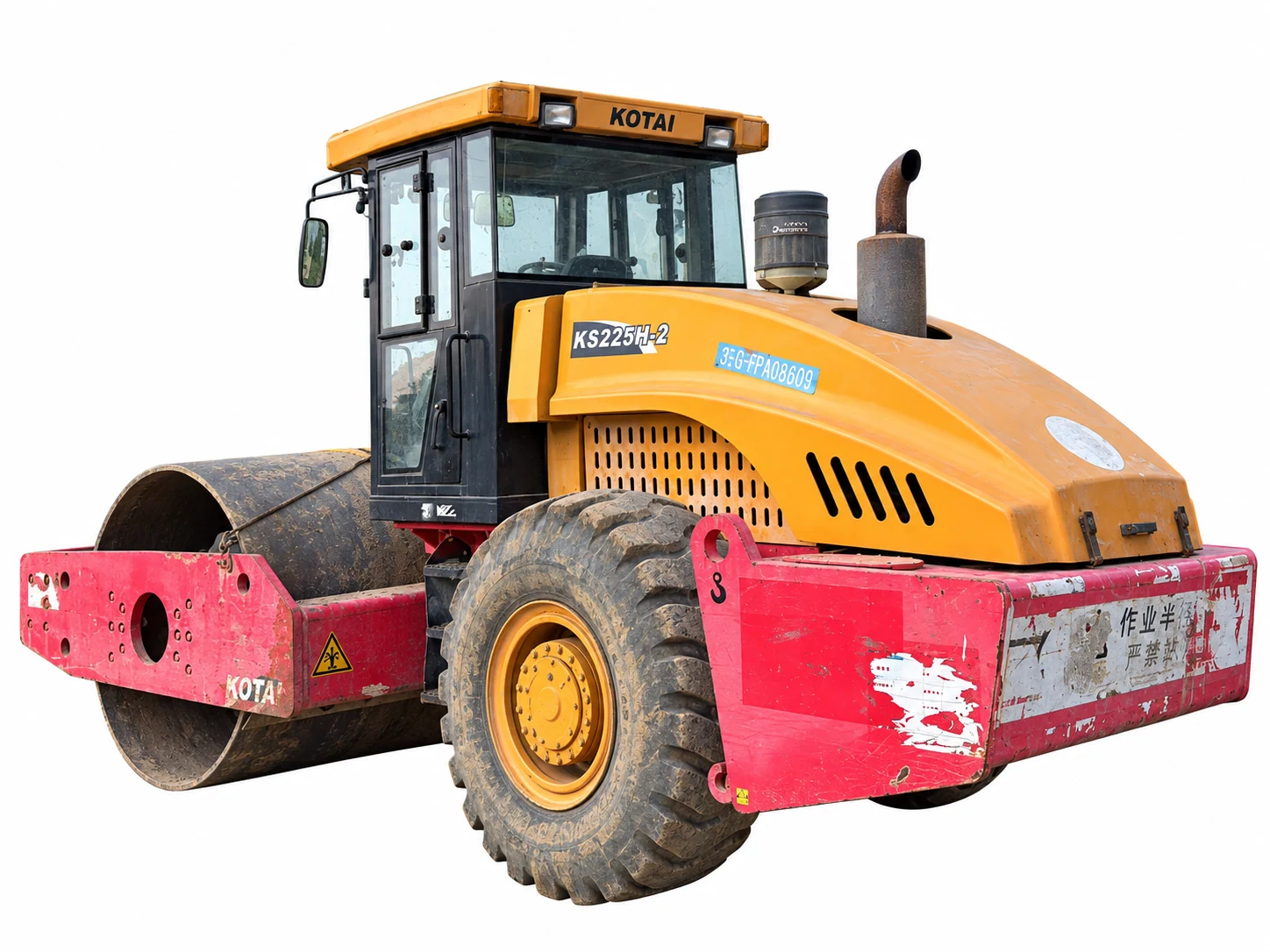
A used Kotai KS225H-2 road roller from the LITRAC equipment catalog.
What goes into full-machine remanufacturing?
We start with an existing machine and take it apart. The team removes assemblies from the machine and strips them down so the individual parts can be cleaned and inspected. Parts that pass inspection can go back into the rebuild. Worn or damaged parts that need replacing are changed before reassembly. That is where much of the work happens, well before the first coat of paint.
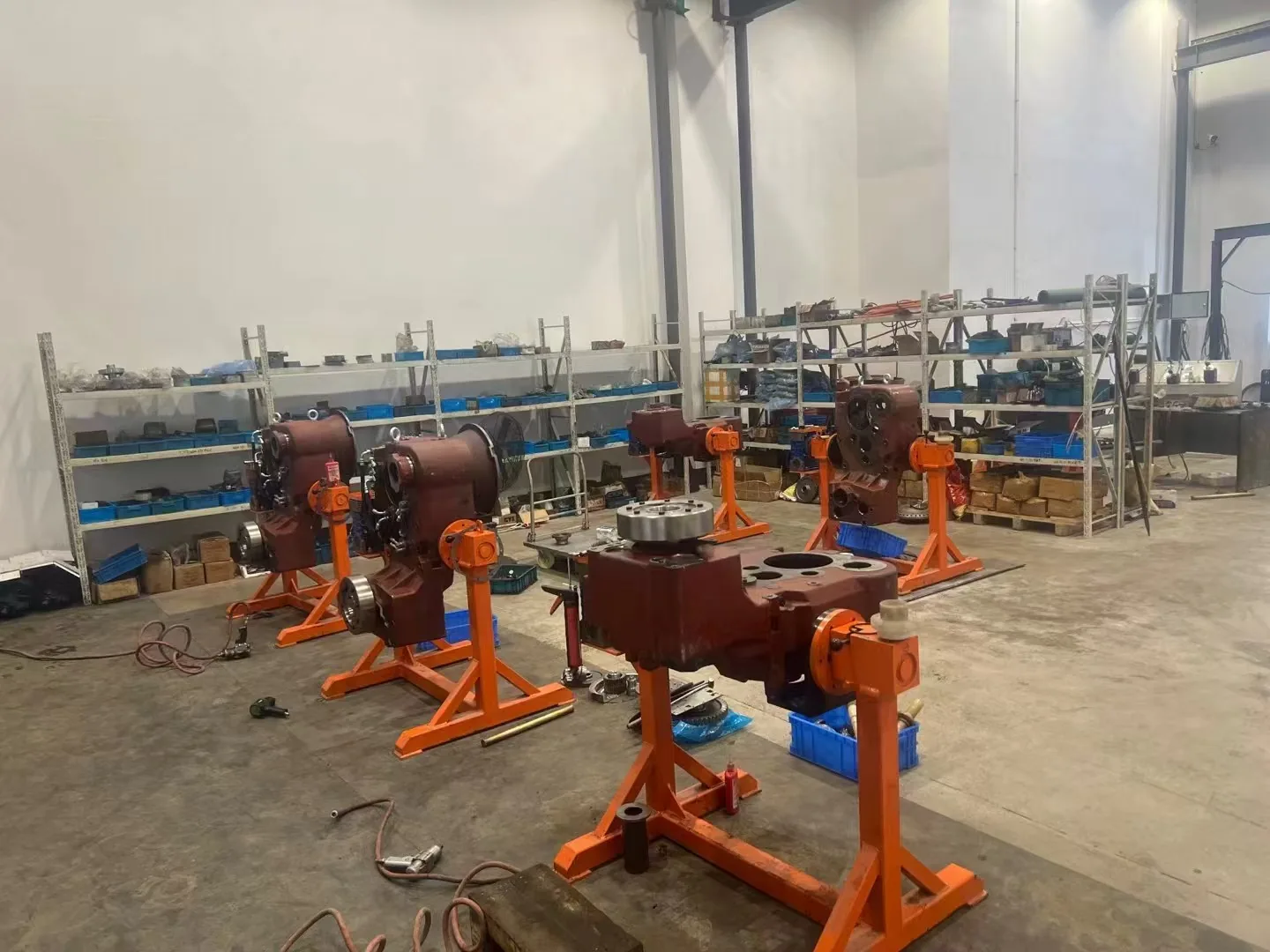
Workshop stands hold individual assemblies for component work.
Inspect and renew the parts inside
The inspection covers the whole machine, including the engine, drivetrain, hydraulics, electrical system, controls and working equipment. What gets replaced depends on what the team finds after teardown. A seal, bearing, hose or pin may need replacing even when the housing around it is sound. If you are buying a rebuilt unit, ask which assemblies were opened and which parts were replaced.
Prepare and repaint the major components
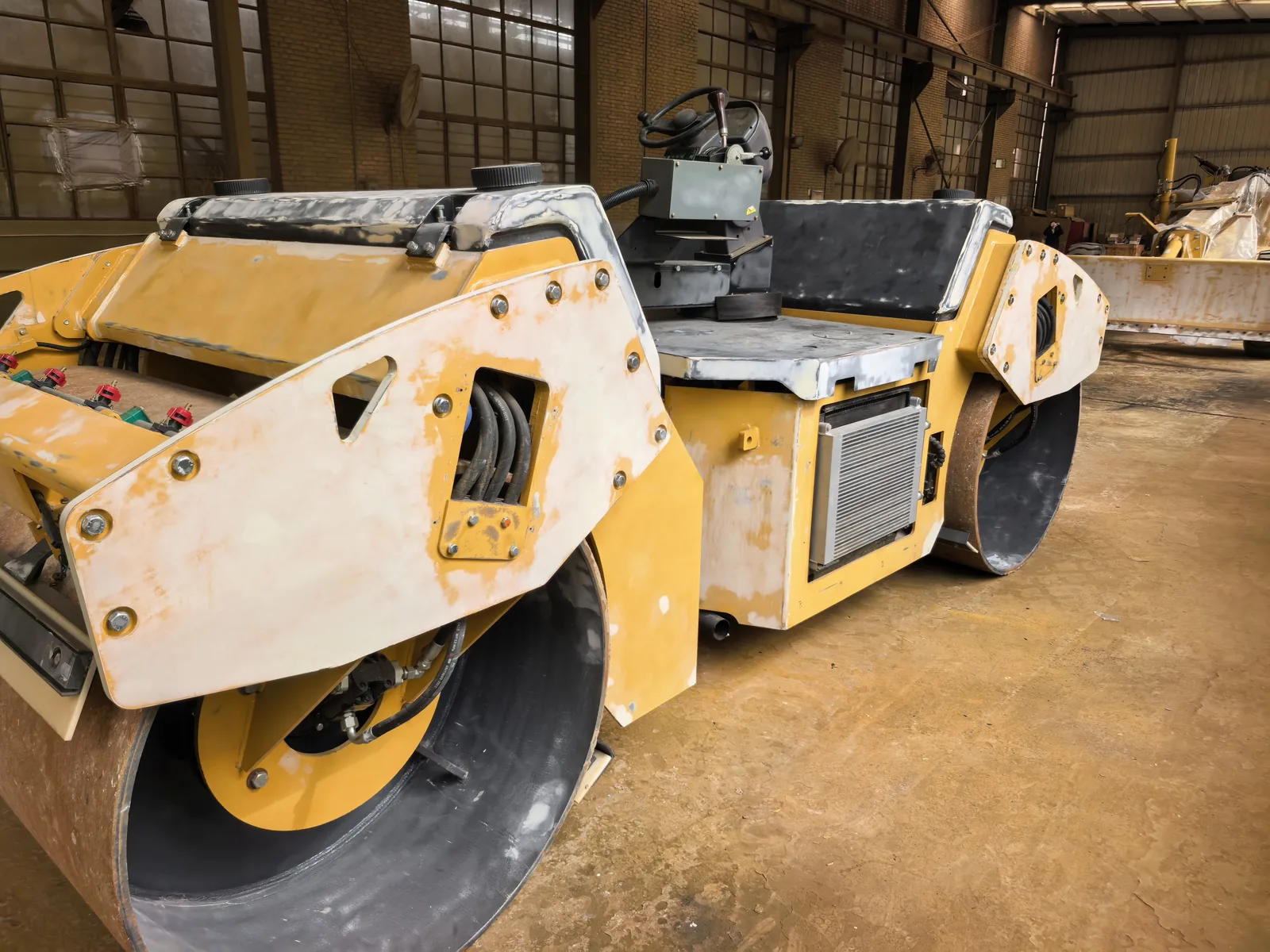
Major housings, body panels and other exterior parts are cleaned and prepared before they are spray-painted. On the roller below, you can see the sanded surfaces around the drum and along the operator platform. On the grader, sections are masked off before painting. These photos show the work in progress.
Tandem roller body panels during surface preparation.A closer look at the roller’s operator platform and controls during preparation.Motor grader with sections masked off ahead of repainting.
Reassemble and check how the machine works
Once the machine is back together, the goal is a near-new exterior finish and operating performance close to that of a new machine of the same model. That performance should be judged by the checks on the actual unit. For a roller, ask to see it start, steer, travel and run the vibration system. For a grader, ask to see the blade lift, angle and shift, and watch how the machine travels and articulates. Where measurements or test records are available, compare them with the agreed acceptance criteria for that machine.
Which option should you buy?
An original-condition machine can make sense if the unit already works well for your job and you want to keep the purchase cost down. A full rebuild is worth pricing when you want the internals inspected and renewed before shipping, alongside a near-new finish. Allow time for the workshop to strip, rebuild and check the machine. Compare the quotes with the work included and the delivery date in view.
If you only need to replace one assembly on a machine you already own, see our remanufactured diesel engines. For a complete machine, tell LITRAC what you need. Send the machine type or model, intended job and destination port, and let us know whether you want original condition or a full rebuild. We can discuss available units, the scope of work and the inspection material you want to review before shipment.
You’re looking at two used excavators. One has a mechanical injection pump and the other has electronic common rail. Both run well in the seller’s yard. Six months later, the machine might be cutting a road far from town, loading trucks in a quarry or digging foundations near Nairobi. Before you pick one, find out what diesel you can get at the site and who can fix the fuel system if the machine loses power halfway through a shift.
What changes under the engine cover?
With mechanical injection, an engine-driven pump and mechanical components determine how much fuel goes to each cylinder and when. If the pump or nozzles need work, find out whether a diesel shop near your site can test and calibrate that particular model. Being able to get a pump off the machine is only half the job.
On an electronic common-rail engine, the high-pressure pump feeds a shared rail and the engine control unit (ECU) controls when each injector opens and how much fuel it delivers. That gives the engine finer control over combustion. For repairs, check who has the right diagnostic tool, who can bench-test the injectors and whether replacements need coding. Some electronically controlled engines use unit injectors or other designs, so ask for the engine serial number before ordering parts.
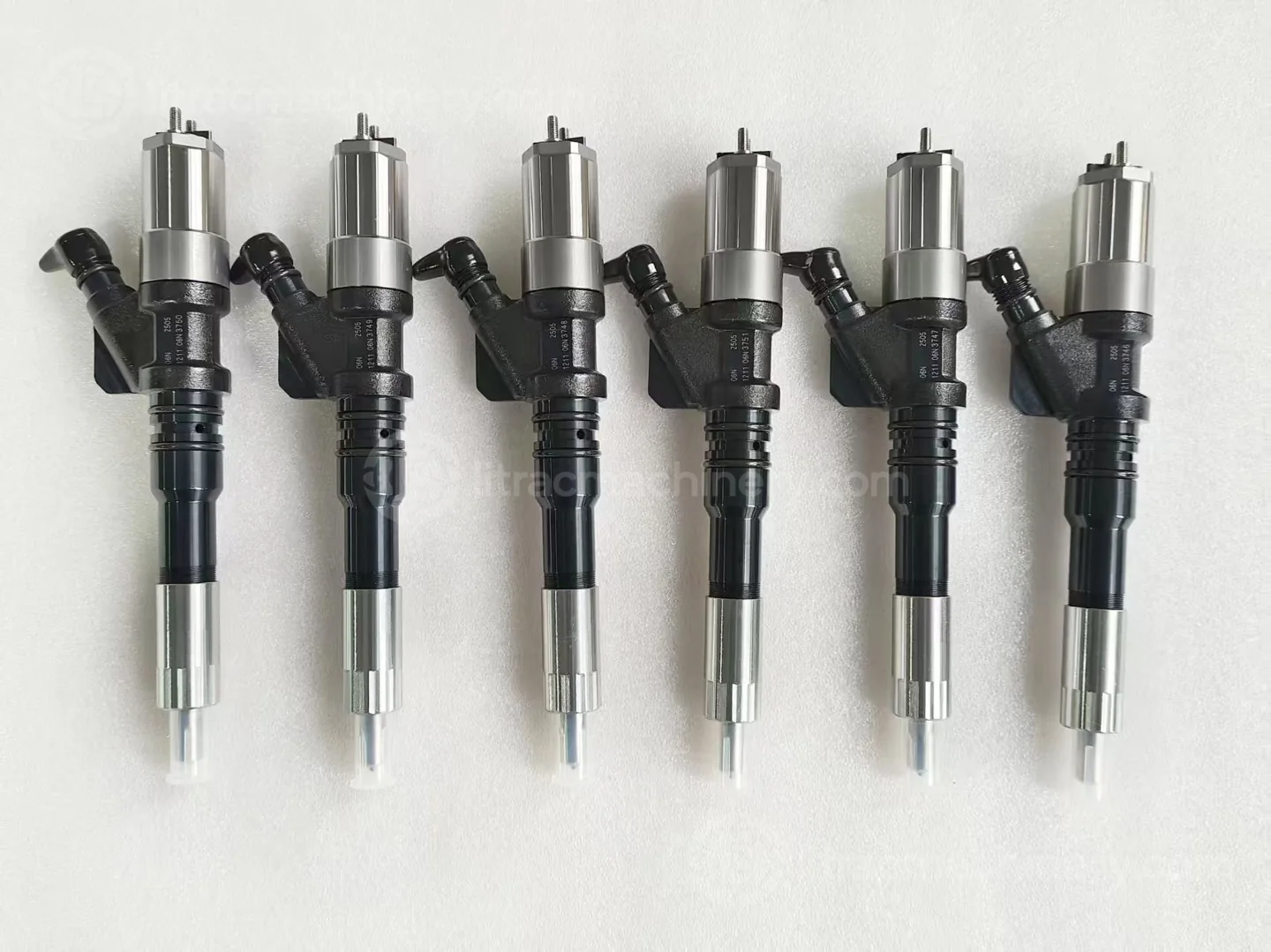
Diesel injector assemblies from the LITRAC parts catalogue. Send the injector part number and engine serial number to confirm fitment.
Where does your machine get its diesel?
On a road job, diesel may arrive in a drum and pass through a transfer pump before it reaches the excavator. Ask how the drums are kept sealed, how the fuel is filtered during transfer and who checks the machine’s water separator. Diesel can meet the supplier’s specification and still pick up water or grit on site.
Water and dirt can damage either injection system. Common-rail pumps and injectors are particularly sensitive to fine contamination. If a separator keeps collecting water or a new filter plugs again, check the storage tank, hose and nozzle before fitting another set of parts. Follow the engine maker’s instructions for filters and separator service.
Sulfur is a separate question. A water separator and fuel filter deal with contamination. If the engine and its emissions equipment require a low-sulfur grade, ask the supplier whether it can deliver that grade to the site consistently. Check the specification for the exact engine you’re buying.
A road crew and a quarry buy for different reasons
Remote roadworks and earthmoving
If a crew refuels from drums and the nearest mechanic with a compatible scan tool is several hours away, shortlist a sound mechanical-injection machine first, provided a local shop knows that pump and can get parts for it. Ask what a set of filters costs and how long a replacement pump would take to arrive. Those two answers tell you more about likely downtime than the model year alone.
Quarry and mine work
A common-rail wheel loader can make sense when the site has filtered bulk fuel, a workshop and a source for injectors. On a long loading shift, compare litres per tonne loaded if you have the figures. Also check the air filters and cooling pack. Dust and a blocked cooler can take a machine off the job even when the fuel system is in good order.
Urban construction and rental fleets
If fuel supply and diagnostic support are straightforward, compare two machines doing similar work. Ask for a cold-start video and a separate test once the engine is warm and working under load. A tidy machine idling in the yard tells you little about how it will perform through a full shift.
Before you pay a deposit
Ask for photos of both the machine plate and the engine plate. If the engine has been replaced, use the plate on the installed engine to identify parts.
Ask to see the machine start from cold and work under load. If it’s hard to start, smokes after warming up or loses power, ask what tests the seller has done.
Price the filters, injectors and pump parts locally. If the machine has a history of fuel contamination, ask whether the tank and transfer equipment were cleaned.
Injector repair, engine overhaul or a remanufactured engine?
If the machine is hard to start or runs unevenly, check the fuel supply, filters and separator first. Have a technician test the pump and injectors if the symptoms point to the fuel system. A confirmed fault in one injector can often be dealt with as a repair. If compression tests and inspection point to cylinder wear, compare the cost and downtime of rebuilding your engine with fitting a compatible remanufactured unit.
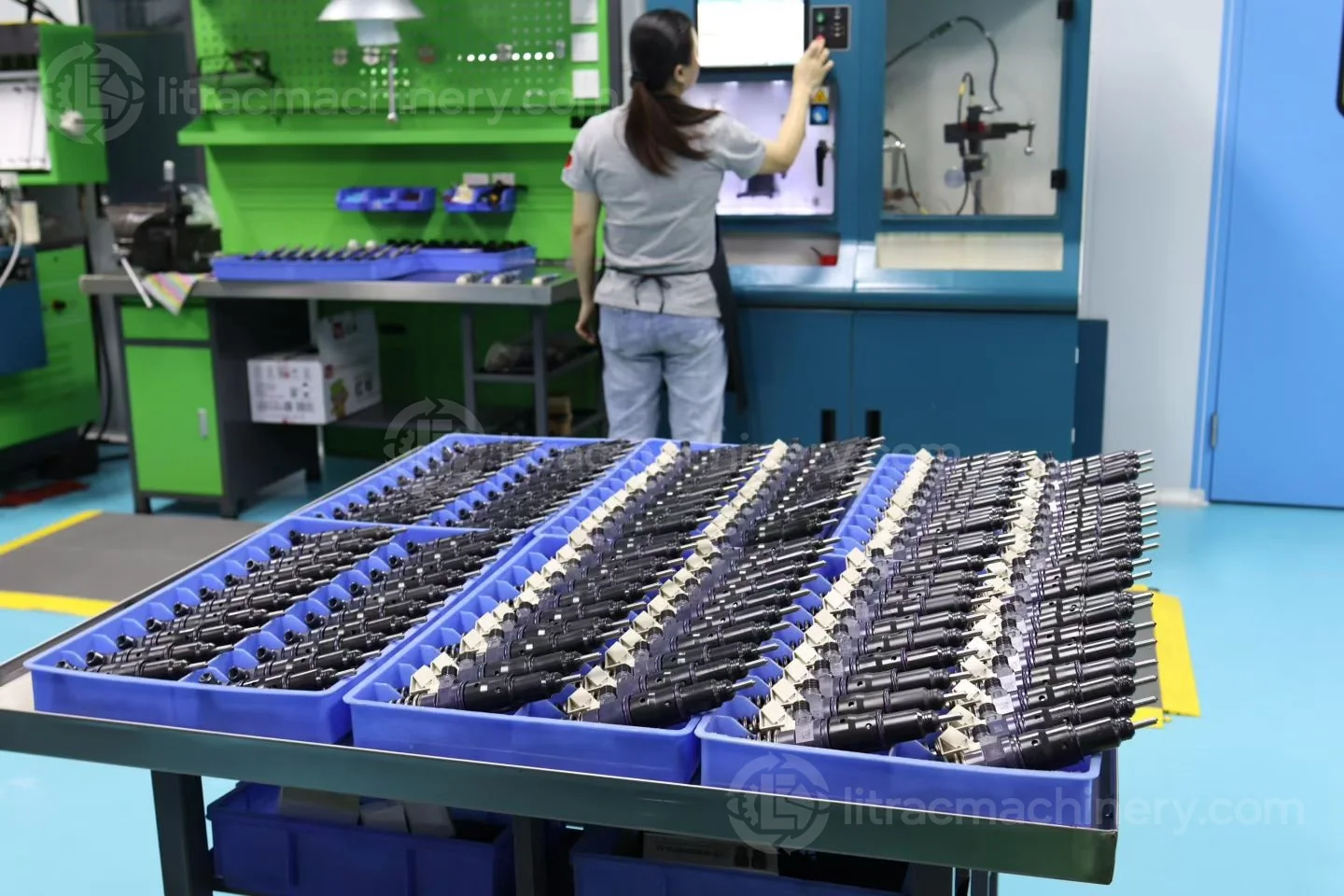
Diesel injectors and test equipment. A bench test can help identify which injectors need attention.
At LITRAC MACHINERY, we supply diesel fuel injectors and related parts, and handle diesel engine repair, rebuilding and remanufacturing. If you’re pricing a replacement engine, tell us what’s on the machine now. We can discuss the configuration, what comes with the assembly and what test documents and warranty terms are available.
Cummins NT855 engine assembly. Check the configuration and included components when comparing replacement quotes.
Send us the engine plate and tell us what the machine does
For a used machine enquiry, include the destination country, the job and how you refuel. For a repair or parts enquiry, send the engine plate, any fault codes or test results, and a photo of the part number if you have it. Message LITRAC on WhatsApp, browse remanufactured engines or view used excavators.
Published · Manufacturer sources reviewed 16 October 2026
Choosing between a Komatsu PC200-8M0, PC200-10M0 and PC200-11M0 starts with identifying the exact machine. These China-market versions differ in engine configuration and published specifications. A newer suffix alone does not establish which used excavator offers the best value for your work.
This guide compares selected manufacturer-listed specifications and explains the evidence to request before purchasing. It is intended for buyers sourcing used excavators from China, including buyers in Africa, Southeast Asia and Central Asia. Manufacturer specifications describe a model configuration; they do not certify the condition or equipment of an individual used machine.
AI-generated illustration featuring KOMATSU branding. It does not show a specific generation or a machine offered for sale.
Komatsu PC200-8M0 vs PC200-10M0 vs PC200-11M0
The following figures are taken from Komatsu China’s model pages, reviewed on 16 October 2026. They apply to the listed configurations, rather than every machine carrying a similar PC200 designation. See the manufacturer sources for the original specification terminology.
On smaller screens, swipe the table horizontally to compare all three models.
Selected specifications published by Komatsu China
Specification
PC200-8M0
PC200-10M0
PC200-11M0
Engine model
SAA6D107E-1
SAA4D107E-1
SAA6D107E-3
Cylinders / displacement
6 / 6.69 L
4 / 4.46 L
6 / 6.69 L
Published engine power
103 kW, labelled rated power
103 kW, labelled rated power
123.2 kW, labelled gross power
Published engine speed
2,000 rpm
2,000 rpm
2,000 rpm
Operating weight
20,150 kg
20,000 kg
20,500–20,900 kg
Bucket capacity
0.90–1.05 m³
0.94 m³
0.94–1.06 m³
Maximum digging depth
6,095 mm
6,515 mm
6,620 mm
Read the table carefully: the power labels are not identical, so these figures should not be used to calculate a direct percentage increase without confirming measurement standards. Digging depth depends on the specified boom and arm arrangement. Bucket size and operating weight also change with configuration. An LC version, an imported-market machine or a modified unit may differ from this table.
What the engine differences mean for a buyer
PC200-8M0: verify the installed six-cylinder engine
The China model page identifies the SAA6D107E-1 engine. When inspecting a used PC200-8M0, match the engine identification to the machine plate and records. Investigate any replacement engine or major repair rather than assuming that all components are original.
PC200-10M0: four cylinders do not automatically mean less output
The four-cylinder PC200-10M0 has the same 103 kW figure labelled rated power on its China page. This is a useful reminder that cylinder count alone cannot determine working performance or fuel economy. Ask how the actual machine performs when warm and under the intended load.
PC200-11M0: check the emissions configuration and service needs
Komatsu China describes the PC200-11M0 as meeting China non-road Stage IV emissions requirements. For an export purchase, confirm the actual installed emissions equipment, required fuel and fluids, maintenance documentation and local service capability. Compliance with one market’s standard does not establish import or operating eligibility in another country.
Which PC200 version is more fuel efficient?
The model name does not provide a reliable litres-per-hour figure for your project. Soil conditions, swing angle, digging depth, attachments, working mode, idle time and machine condition all affect consumption.
Compare fuel use alongside work completed under similar conditions. For loading, record the material, truck position, cycle time and output. For excavation, compare the required depth and material. A lower hourly fuel figure is less useful if less work is completed or if the machine is working under an easier load.
None of the three model names in this comparison should be treated as proof of a hybrid system or 3D machine-control package. Confirm fitted equipment on the particular unit rather than applying features from another PC200 variant.
What to inspect before buying a used Komatsu PC200
Use our machinery inspection information to discuss the evidence and inspection scope required for a specific machine. Useful checks include:
Identity and records: full model, machine serial number, engine identification, source of the reported year and hours, service history and known modifications.
Engine: cold-start behaviour, abnormal smoke or noise, visible leaks and warm operation, assessed by a qualified inspector.
Hydraulics: warm operating video showing boom, arm, bucket, swing and travel. Review abnormal noise, visible leakage and behaviour under appropriate load.
Undercarriage: track chains, shoes, rollers, idlers and sprockets. Include likely replacement work in the purchase budget.
Structure and attachments: inspect boom and arm repairs, pin and bushing wear, bucket connection, coupler and auxiliary piping.
AI-generated inspection illustration. It is not an inspection record or evidence of the condition of any listed machine.
A running video helps with initial screening, but it cannot establish every fault or replace an agreed inspection. A low hour-meter reading is also insufficient on its own. Compare the indicated hours with records, physical wear and repair history.
Check parts support and preparation costs
Before choosing a unit, identify local support for its engine, hydraulics and emissions equipment. Ask suppliers to confirm part numbers, fitment, availability and delivery times. A shared PC200 name does not prove that an engine assembly or hydraulic component is interchangeable.
Compare the total cost of the proposed machine: purchase, agreed repairs, attachments, packing, transport, servicing and potential downtime. Fresh paint does not establish mechanical condition. Record the preparation work and evidence to be supplied in the quotation or transaction documents.
How to request a Komatsu PC200 export quotation
Start with the complete model and the work you need to do. If you are open to different versions, state your application, budget and service requirements so the discussion can focus on suitable equipment.
Preferred model: PC200-8M0, PC200-10M0 or PC200-11M0.
Application, required digging depth, bucket and attachments.
Quantity, desired condition and inspection requirements.
Destination country, city or port, and required timing.
Any known documentation, emissions or shipping requirements.
Check the offered machine’s measured transport dimensions and included attachments when discussing packing and shipping. Manufacturer dimensions are a starting point, not a confirmed shipping measurement or freight quote.
What is the main difference between PC200-8M0 and PC200-10M0?
The China pages list different engines: a six-cylinder 6.69 L unit for PC200-8M0 and a four-cylinder 4.46 L unit for PC200-10M0. Both pages label their published output as 103 kW rated power. Evaluate the complete machine and its condition, rather than cylinder count alone.
Is PC200-11M0 always the best used choice?
No single version is best for every buyer. Compare job requirements, condition, emissions-system support, repair needs and total delivered cost. A model comparison cannot rank individual used machines without inspecting them.
Are PC200 and PC200LC specifications interchangeable?
No. The suffix can indicate a different undercarriage configuration. Use documentation for the complete designation and confirm the actual machine, attachments and transport measurements.
Can one PC200 parts number be used across generations?
Do not assume so. Confirm the machine serial number, component identification and part number before selecting an assembly or replacement part.
This comparison is based on public manufacturer information reviewed on 16 October 2026. It is general buying guidance, not a hands-on test or certification of an offered machine. Illustrations are AI-generated. KOMATSU is used to identify the equipment brand; this article does not claim manufacturer endorsement or authorised-dealer status.
A wear parts enquiry is easier to discuss when it identifies both the replacement part and the equipment it will fit. Start with the part number if you have it, then add photographs and the machine or attachment details.
Photograph the part and its mounting
Send an overall view and close views of any markings and mounting details. For a bucket tooth enquiry, show the tooth and the connection area clearly. For other wear parts, show the part in relation to the machine or attachment where practical.
Keep the measurements specific
If dimensions are needed, label what each measurement refers to and use a consistent unit. Include a photograph of the measurement where possible. A size without a defined measurement point can create ambiguity.
Distinguish quantity from sets
State how many individual parts or sets you need, and what you expect a set to include. List different part numbers separately. Ask for the scope of supply to be recorded in the quotation.
Identify the application
Provide the machine brand and model and, where relevant, the bucket or attachment identification. If the part number or fitment is uncertain, keep that uncertainty in the enquiry instead of choosing a number from a similar-looking photograph.
Prepare the enquiry
Machine / attachment: ______ Part number or markings: ______ Mounting photographs: ______ Dimensions and units: ______ Individual quantity or set contents: ______ Destination: ______
For an assembly enquiry, begin with the component already fitted to the machine. A broad description such as “excavator engine” or “loader transmission” gives a starting point, but more identification is needed before a particular replacement can be discussed.
Start with two identities
Record the machine brand and model, then the engine, transmission, hydraulic pump or motor identification. Send readable nameplate photographs and the serial or part number where available. Keep an overview photograph showing the component and its application.
Show the connections
Alongside the nameplate, include clear views of mounting points, connectors and relevant ports. If measurements are requested, show the measurement and the points used. Avoid assuming that a similar appearance proves that two assemblies are interchangeable.
Define the scope of supply
Discuss whether the enquiry concerns an assembly, a rebuild or an individual replacement part. Identify what is expected to be included. For remanufactured or refurbished components, agree the proposed work, replacement items and verification evidence in the quotation.
Keep unknown information visible
If the plate is missing or unreadable, say so and send the views you have. Leave uncertain fields blank rather than substituting a guessed model or part number. Additional photographs or measurements can then be requested for the identification discussion.
Send quantity and destination
Include the required quantity, destination country and city / port. Mention any timing requirement and packing questions. Compatibility, testing scope and applicable terms must be confirmed for the specific component offered.
Machine model: ______ Assembly model / part number: ______ Serial number / nameplate: ______ Required scope and quantity: ______ Destination: ______
Prepare a used machinery enquiry with the equipment type, preferred make and model, intended work and destination. Add the configuration you need and the inspection questions that matter to the purchase. You can begin without every technical detail; photographs and the full machine identification help clarify the requirement.
1. Identify the equipment
Tell us whether you need an excavator, motor grader, road roller or wheel loader. Include the preferred brand and model when you know them. If you are comparing alternatives, explain the type of machine and the work it must perform.
A photograph of a similar machine may help identify what you mean, but it does not confirm the configuration or availability of a unit being offered.
2. Describe the job and configuration
State the loading, digging, grading or compaction task. Include the bucket, attachment or blade requirements that matter to the project. Share any size or access constraints that may affect your selection.
3. Ask about one identified unit
When a machine is proposed, connect the quotation to its model, identification details and current photographs. Ask which operating videos and condition records are available. Agree the inspection scope rather than treating a photograph or an hour-meter reading as a complete condition assessment.
4. Include the destination and timing
Provide the destination country and city / port, quantity and required timing. Ask how the equipment will be configured for shipment and which packing and shipment details need to be confirmed.
A short enquiry you can use
Machine type / preferred model: ______ Work and required configuration: ______ Quantity: ______ Condition or inspection questions: ______ Destination country and city / port: ______ Required timing: ______